USMNT Players in Europe: 5 Crucial 2026 Champions League Roles
Are top American stars asserting themselves as indispensable tactical anchors across Europe's elite continental competition? Analyzing USMNT Players competing in the Champions League knockout bracket highlights how figures like Christian Pulisic and Weston McKennie have evolved into decisive game-changers at the highest club level.
From dictating tempo in central midfield to providing dynamic wing play and defensive stability under high-pressure pressing systems, these key contributors are defining tactical setups for major European powerhouses. Their expanded responsibilities offer crucial battle-tested experience ahead of major international tournaments.
Evaluating these tactical contributions reveals how American talent continues to cement its footprint on European football. Here is a detailed breakdown of the five pivotal roles USMNT stars are executing on Europe's grandest stage.
The Evolving Landscape of USMNT Talent in Europe
The landscape of European football has seen a significant surge in USMNT representation, with players now integral to top-tier clubs across various leagues. This growing presence is not merely numerical; it reflects a qualitative shift in how American players are perceived and utilized.
These athletes are no longer fringe squad members but often key starters, influencing game outcomes and tactical approaches. Their development in demanding European environments directly impacts the strength and potential of the US national team.
As the 2026 Champions League approaches, the spotlight intensifies on these players, particularly those whose clubs are expected to contend in the knockout stages. Their roles will be scrutinized for their tactical significance.
Midfield Maestros: Dictating Tempo and Control
The role of a central midfielder is paramount in modern football, requiring a blend of defensive tenacity and offensive creativity. USMNT midfielders in Europe are increasingly mastering these complex demands, becoming linchpins for their teams.
Players like Weston McKennie and Yunus Musah exemplify this dual threat, capable of breaking up play and initiating attacks with incisive passing. Their ability to cover ground, win duels, and distribute effectively is crucial for maintaining possession and controlling the game's rhythm.
Their performances in the 2026 Champions League knockout bracket will largely determine their teams' ability to dominate the midfield battle, a critical factor in high-stakes European encounters. Their tactical discipline and vision will be tested.
The Role of the Deep-Lying Playmaker
A deep-lying playmaker, often a number six, is responsible for setting the tempo and orchestrating attacks from deep positions. This role demands exceptional passing range, tactical intelligence, and the ability to shield the defense.
For USMNT players on Europe's biggest stage, excelling in this position means consistently making the right decisions under intense pressure. They must accurately distribute the ball to wide players or advanced midfielders, thereby unlocking opposition defenses.
Maintaining possession under high press
Initiating counter-attacks with precise long balls
Providing defensive cover and intercepting passing lanes
The deep-lying playmaker's influence extends beyond mere ball distribution; they are often the strategic brain of the team. Their ability to read the game and anticipate opponent movements is invaluable, especially in the tight margins of Champions League knockout matches.
Box-to-Box Dynamism
The box-to-box midfielder combines relentless energy with significant contributions in both defensive and offensive phases. These players are vital for transitions, linking defense to attack and arriving late in the box to score.
USMNT talents embodying this role bring a dynamic edge to their European clubs. Their tireless running and ability to impact play across the entire field make them indispensable, particularly when facing technically superior opponents.
Their contribution to the 2026 Champions League knockout bracket will be measured by their ability to sustain high-intensity performances for 90 minutes or more. This endurance and versatility are key attributes for success.
Defensive Pillars: Anchoring the Backline
A solid defense is the foundation of any successful team, and USMNT defenders are increasingly anchoring backlines for prominent European clubs. Their ability to read the game, make crucial tackles, and organize the defense is vital.
Players such as Antonee Robinson and Chris Richards offer a blend of physicality, pace, and tactical awareness that makes them formidable opponents. Their contributions go beyond individual defensive actions; they are integral to their team's overall defensive structure.
In the high-pressure environment of the 2026 Champions League knockout bracket, these defensive pillars will be tasked with neutralizing Europe's most potent attackers. Their composure and leadership will be paramount.
Full-Backs: Offensive Threat and Defensive Solidity
Modern full-backs are expected to be both tenacious defenders and significant attacking outlets. They provide width, deliver crosses, and often participate in intricate attacking patterns while diligently tracking back.
USMNT full-backs in Europe are increasingly demonstrating this comprehensive skill set. Their ability to surge forward, create overloads, and then recover defensively provides a crucial balance for their teams.
Delivering accurate crosses into the box
Providing defensive cover against wingers
Maintaining tactical shape during transitions
The demands on these players in the Champions League are immense, requiring exceptional stamina and decision-making. Their dual role makes them critical in breaking down stubborn defenses and protecting their own goal.
Center-Backs: Leadership and Aerial Dominance
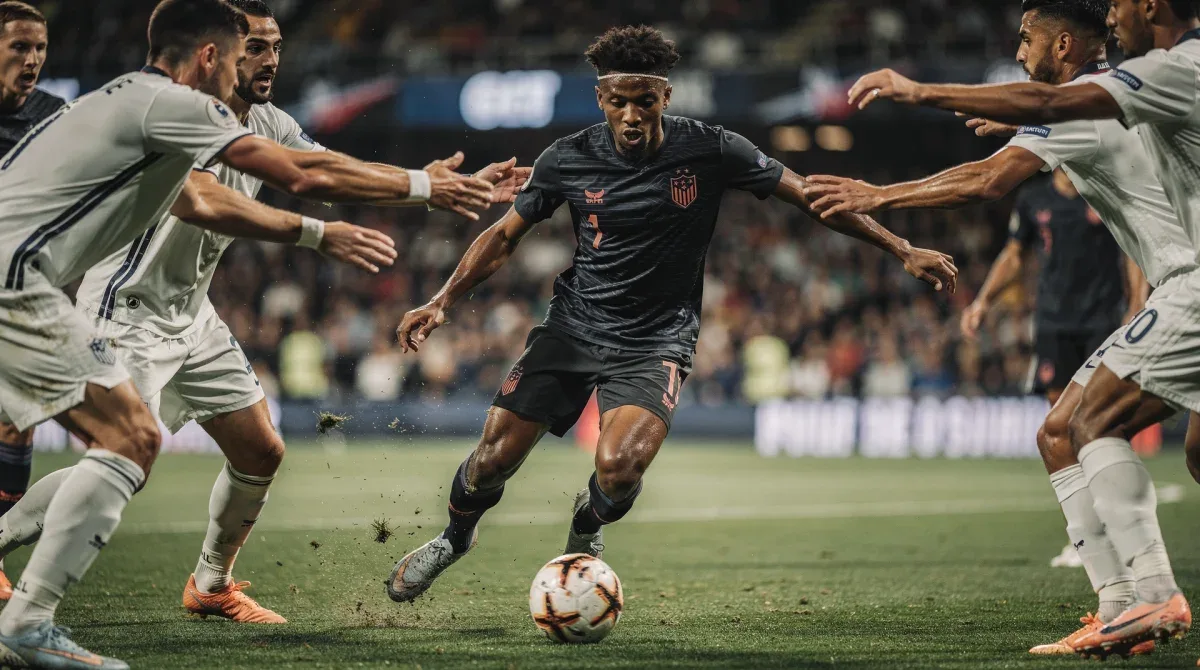
Center-backs are the organizational heart of the defense, responsible for communication, aerial duels, and preventing clear goal-scoring opportunities. Their leadership and ability to command the backline are indispensable.
For USMNT players on Europe's biggest stage, excelling as a center-back means mastering the art of positioning and timing. They must anticipate opponent movements, win headers, and distribute the ball calmly from the back.
The 2026 Champions League knockout bracket will showcase these defenders' ability to withstand relentless pressure from elite attackers. Their mental fortitude and physical prowess will be under constant scrutiny, impacting team stability.
Attacking Forwards: Goal Scorers and Playmakers
The role of attacking forwards for USMNT players in Europe extends beyond just scoring goals; they are often involved in link-up play, pressing from the front, and creating opportunities for teammates. Their versatility is a key asset.
Players like Christian Pulisic and Timothy Weah embody this multifaceted attacking role. Their pace, dribbling ability, and clinical finishing make them a constant threat, capable of unlocking defenses with individual brilliance or intelligent movement.
Their performances in the 2026 Champions League knockout bracket will be critical for their teams' offensive output. The ability to convert chances and provide decisive moments will directly influence progression in the competition.
Wingers: Pace, Dribbling, and Direct Threat
Wingers are tasked with stretching opposition defenses, creating space, and delivering dangerous balls into the box. Their ability to beat defenders one-on-one and create numerical advantages is a potent weapon.
USMNT wingers in Europe are increasingly demonstrating the skills required to excel in this role. Their directness, speed, and flair make them difficult to contain, often drawing multiple defenders and freeing up space for others.
The impact of these players in the Champions League will be seen in their ability to consistently produce moments of magic. Their contributions to the 2026 Champions League knockout bracket could be the difference between victory and defeat.
Goalkeepers: The Last Line of Defense
The importance of a reliable goalkeeper cannot be overstated, especially in knockout football where one mistake can be fatal. USMNT goalkeepers in Europe are proving their worth, demonstrating shot-stopping ability, command of their area, and excellent distribution.
Players such as Matt Turner and Ethan Horvath are showcasing their capabilities at high levels, making crucial saves and organizing their defenses effectively. Their presence instills confidence in the backline and provides a solid foundation.
In the 2026 Champions League knockout bracket, these goalkeepers will face the ultimate test against Europe's best attackers. Their ability to perform under pressure, especially in penalty shootouts, could be decisive for their clubs.
Shot-Stopping and Command of the Box
A goalkeeper's primary responsibility is to prevent goals, and exceptional shot-stopping is a non-negotiable trait. Beyond that, commanding the penalty area during crosses and set pieces is vital for defensive stability.
USMNT goalkeepers on Europe's biggest stage are developing these critical skills, making them formidable opponents for any attacking side. Their aerial presence and ability to confidently claim crosses relieve pressure on their defenders.
The mental strength required to perform consistently at this level is immense. Their contributions to the 2026 Champions League knockout bracket will highlight their readiness for the highest echelons of club football.
Impact on the USMNT: Building for 2026
The success and tactical development of USMNT players in Europe directly correlate with the national team's prospects for the 2026 World Cup. Their experience in high-pressure Champions League matches prepares them for international competition.
The tactical roles they master at their European clubs translate into valuable assets for the USMNT. This exposure to diverse playing styles and elite coaching sharpens their understanding of the game and elevates their overall performance.
As these players continue to thrive on Europe's biggest stage, the USMNT benefits immensely, building a squad with depth, experience, and tactical versatility. The 2026 Champions League knockout bracket will serve as a crucial proving ground for many.
Synergy with National Team Tactics
The tactical lessons learned by USMNT players in the Champions League can be directly applied to the national team's strategy. Their understanding of complex systems and ability to adapt to different game scenarios is invaluable.
This synergy ensures that when these players convene for international duty, they bring a wealth of high-level tactical acumen. This collective experience elevates the USMNT's capacity to compete against the world's best.
Applying high-press tactics learned in Europe
Executing complex offensive movements
Maintaining defensive solidity against elite opposition
The continuous integration of these European experiences into the national team setup is vital for sustained success. The 2026 Champions League knockout bracket is a critical component of this developmental pathway.
Developing Leadership Qualities
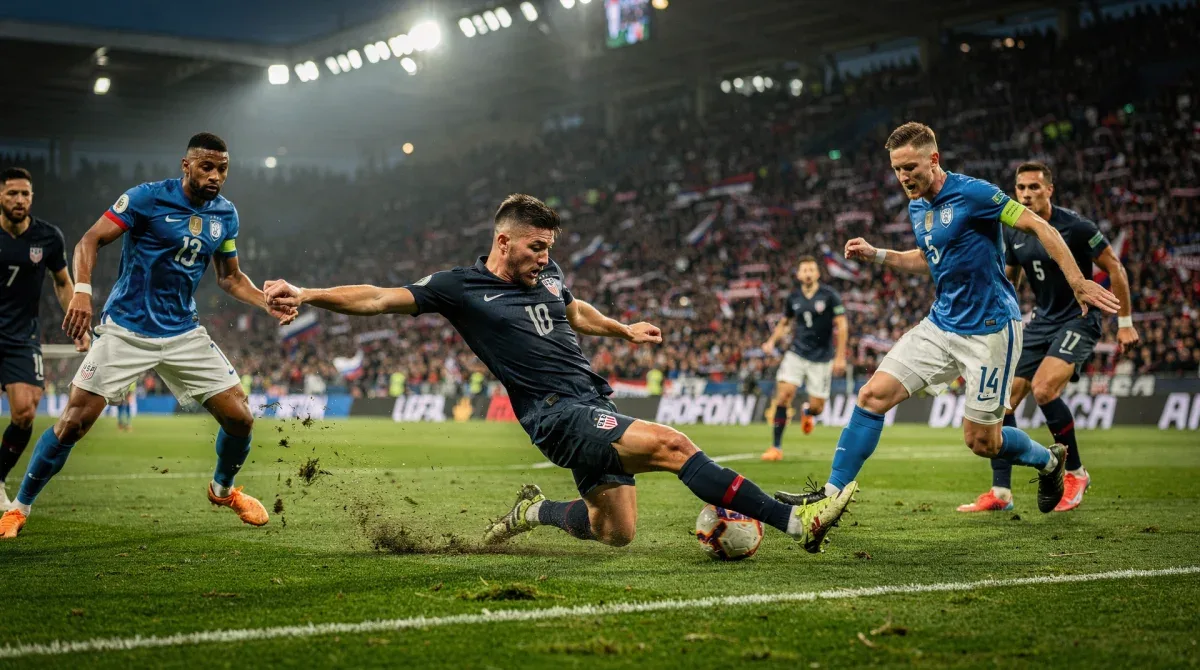
Playing in the Champions League knockout stages fosters leadership qualities that are essential for any successful team. USMNT players who navigate these intense environments often emerge as stronger, more confident leaders.
This leadership is not just about wearing the captain's armband; it's about influencing teammates, making critical decisions on the field, and maintaining composure under pressure. These attributes are invaluable for the national team.
The challenges presented by the 2026 Champions League knockout bracket will undoubtedly shape the next generation of USMNT leaders. Their growth in Europe's elite competition directly benefits the national team's ambitions.
Key Role | Tactical Contribution |
|---|---|
Midfield Maestro | Dictates tempo, controls possession, links defense and attack. |
Defensive Pillar | Anchors backline, makes crucial tackles, organizes defense. |
Attacking Forward | Scores goals, creates chances, presses from the front. |
Goalkeeper | Last line of defense, shot-stopping, commands penalty area. |
Frequently Asked Questions About USMNT Players in the Champions League
Which USMNT players are expected to feature prominently in the 2026 Champions League knockout bracket?▼
Key USMNT players like Christian Pulisic, Weston McKennie, Yunus Musah, Antonee Robinson, and Chris Richards are anticipated to play significant roles. Their continued strong performances for top European clubs position them for crucial involvement in the 2026 Champions League knockout bracket.
How do tactical roles of USMNT players impact their European clubs' Champions League chances?▼
The tactical contributions of USMNT players are vital. Midfielders controlling tempo, defenders anchoring the backline, and forwards providing decisive attacking moments directly influence their teams' ability to compete and advance in the 2026 Champions League knockout bracket. Their specific roles can dictate game outcomes.
What is the significance of USMNT players gaining Champions League knockout experience?▼
Champions League knockout experience is invaluable for USMNT players. It exposes them to elite competition, high-pressure situations, and diverse tactical challenges, which significantly aids their development. This experience directly benefits the USMNT's readiness for the 2026 World Cup.
Are USMNT goalkeepers making a significant impact on Europe's biggest stage?▼
Yes, USMNT goalkeepers like Matt Turner and Ethan Horvath are increasingly demonstrating their capabilities. Their shot-stopping, command of the penalty area, and distribution are crucial for their European clubs. Their performances in the 2026 Champions League knockout bracket could be decisive for their teams' progression.
How does the success of USMNT players in the Champions League affect the national team?▼
The success of USMNT players on Europe's biggest stage directly elevates the national team. It builds a squad with greater depth, tactical understanding, and experience in high-stakes environments. This prepares the USMNT to be more competitive in major international tournaments, including the 2026 World Cup.
Perspectives
The continued ascent of USMNT players in Europe's elite competitions underscores a pivotal moment for American soccer. The 2026 Champions League knockout bracket will not just be a showcase for individual talent, but a critical barometer for how these players' tactical roles translate into team success. Monitoring their performances will offer key insights into the USMNT's potential for the upcoming World Cup, demonstrating the profound impact of their European experience on the national stage.